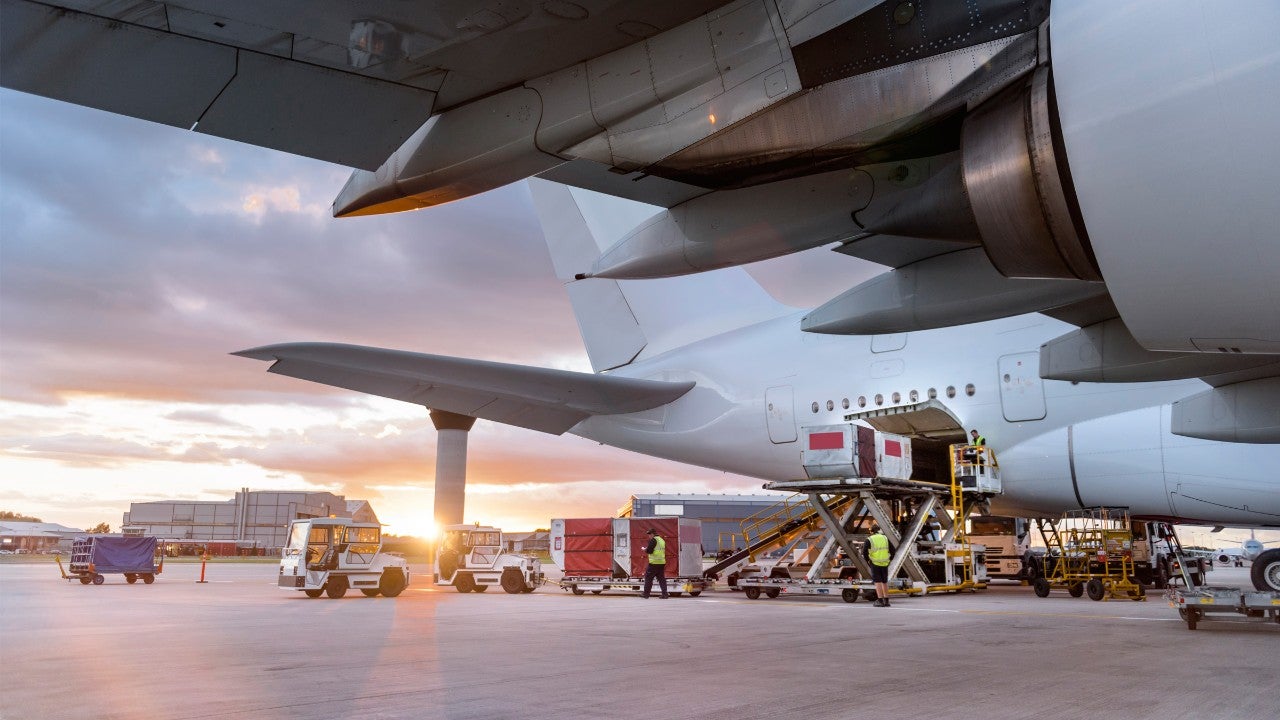
The US is one of Australia’s top export markets. In 2024, it was the fifth largest market for goods exports. Quality Australian fashion, beauty and specialty goods are popular.
Ever since the US announced new tariffs for imports into the US and its overseas territories (including Guam, Northern Mariana Islands, Puerto Rico, US Virgin Islands and the US Minor Outlying Islands), Australian eCommerce businesses have been looking for clarity on what the changes mean for shipping to US customers.
The good news? The path is now clear for sending to the US and its territories, as long as you comply with the new import rules. Whether you use MyPost Business or eParcel Contract, Australia Post is here to help.
What changes have been made to US tariffs for Australian businesses?
- On 24 July 2026, the US announced a 12.5% tariff on Australian exports, with some subject to other sectoral tariffs (to Latest on US tariffs). US goods continue to enjoy tariff-free access to Australia.
- On 20 February 2026, the US confirmed an extension of the suspension of the de minimis exemption for all low-value imports to the US. As a result, all goods valued at US$800 or less are also subject to specific tariff rates.
- Effective 24 July 2026, US Customs and Border Protection (CBP) will only accept 10-digit HS Codes for shipments sent from Australia to the United States.
- Businesses must include accurate HS codes, declared values and country of origin on all shipments to avoid returns or delays.
- Australia Post customers can use a free Zonos® Verified Account to help manage US tariff and duty requirements, making it easier to meet evolving customs obligations when shipping to the United States.
Understanding tariff terms
There are some key terms you’ll hear when discussing tariffs and selling internationally. Here’s a brief explainer:
Tariff
A tariff is a government tax on imported goods. It's usually calculated as a percentage of value of the goods. It’s essential to take tariffs into account when creating your growth strategy as tariffs impact your margins and pricing. Learn more about HS tariff codes.
Rules of origin (ROO)
The Australia-United States Free Trade Agreement (AUSFTA) outlines how where a product is made is determined. Chapter Five of AUSFTA covers Rules of Origin. If you’re unsure of the origin of your products, it’s a good idea to consult an expert early.
Landed cost
Selling overseas incurs additional costs, from freight to tariffs, insurance and taxes. When calculating landed cost to the US, you take these extra costs into consideration in addition to the cost of the product to accurately calculate your landed cost. This can be incorporated into your forecasting and strategy, helping avoid surprise costs.
Australia-United States Free Trade Agreement (AUSFTA)
The AUSFTA is the trade agreement between Australia and the US, which was established in January 2005.
US Customs and Border Protection
US Customs and Border Protection (CBP) is the US Government agency responsible for enforcing US tariff laws at the border, including collecting tariffs, verifying origin and classification of products and ensuring compliance with agreements including AUSFTA.
What is the Australia Post Zonos® tariff solution?
To make meeting your tariff and declaration requirements seamless, Australia Post has partnered with Zonos®, a cross-border sales solution for managing tariffs, calculating duties and taxes. Zonos® is a CBP Approved Qualified Party.
With a free Zonos® Verified Account, linked directly to your Australia Post account you can:
- calculate tariffs
- pre-pay duties and taxes to help accelerate border clearance
- streamline processes to help avoid returns or extra fees for unverified parcels.
Once you’ve joined Zonos® and are verified, you can send as usual. What’s more, when you send to the US with Australia Post, you get access to fewer tariffs, our competitive international sending rates and a free Zonos® dashboard for instant US tariff calculations.
Learn more about the solution.
How to use the Australia Post Zonos® tariff solution
Step 1. Set up a free Zonos® Verified Account
The first thing you need to do is set up a free Zonos® Verified Account. Through this account, which is automatically linked to your Australia Post account, Zonos® will collect and remit the required tariffs each time you book a parcel for sending.
To help you plan for the new costs, there’s a calculator in your Zonos® dashboard for making instant tariff calculations.
Step 2. Meet mandatory declaration requirements
As well as paying the tariff, you also need to meet the mandatory declaration requirements for all items you send. Ensure you include:
- Country of origin (COO): This refers to the country of manufacture.
- Value of goods: This must be declared accurately for each item in your parcel.
- Harmonised system (HS) tariff code: Ensure that the correct HS tariff number/s is used. Use our auto-lookup or check the Department of Foreign Affairs and Trade website to enter manually.
If the above requirements aren’t met, items will be returned.
Step 3. Ship items the way you used to with Australia Post
Once steps 1 and 2 are taken care of, you can ship with Australia Post following your usual processes.
Why send with Australia Post to the US?
By partnering with Zonos® for sending parcels to the US, we’re making it easier for you to comply with the new US tariff import rules.
What’s more, you benefit from:
- Postal import (rather than Commercial Freight) conditions, which can result in a smaller set of tariffs and fewer surcharges
- Competitive international sending rates
- A free Zonos® dashboard to make instant US tariff calculations.
Export markets for Australian businesses
With a relatively small market ourselves, Australian businesses often see significant growth when expanding overseas. Researching which regions have demand for Australian products, and favourable tariff conditions can make a significant impact on your bottom line.
Explore the Australia Post International Selling Playbook (PDF 3.28MB) to learn more about selling in:
Every market has unique requirements and tariffs can vary from time to time, so it’s worthwhile regularly reviewing your strategy to ensure you’re giving your business the best chance of profitable growth and diversifying across markets to minimise the impact of tariff changes.